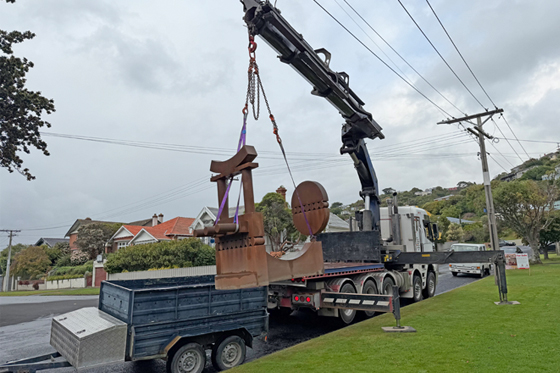
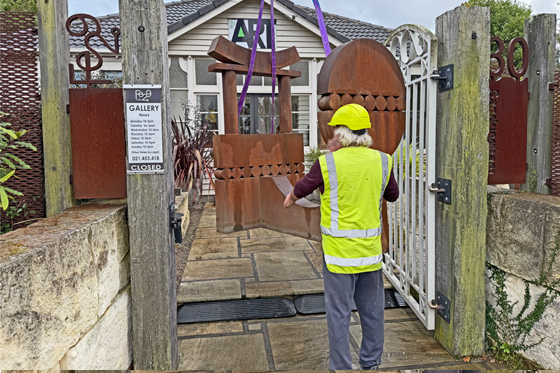
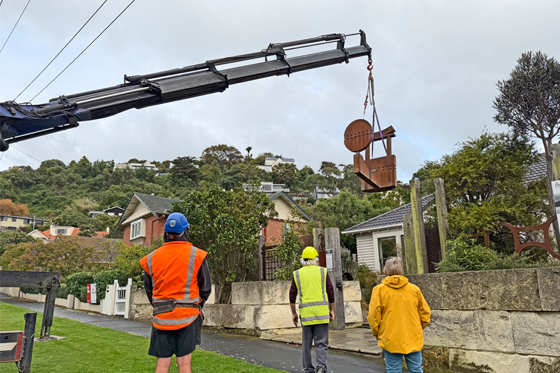
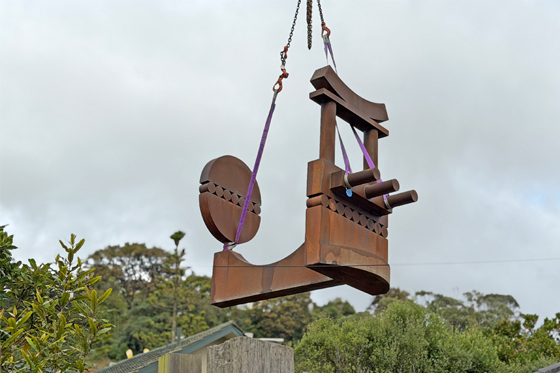
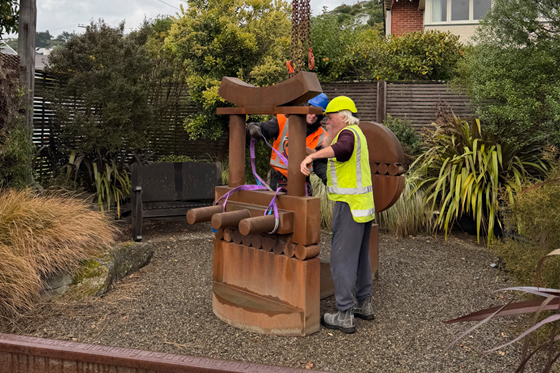
Unloading after the trip from Arrow Junction
+64 021.453.418:: thelab@fe29.com

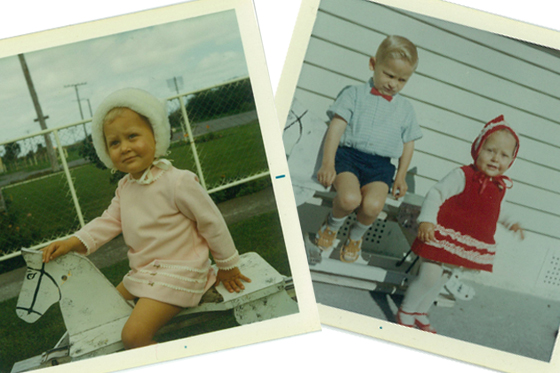
“While searching through old photos, I came across two images of myself as
an infant with a rocking horse. In one I wore a red hooded dress and red shoes. These characters became “Little Red” and her “Equine Companion” and are the origin and inspiration for my November 2024 exhibition at Fe29.” Bronwyn Gayle-Mohring
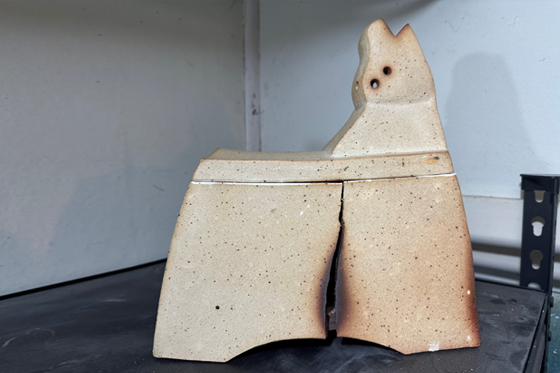
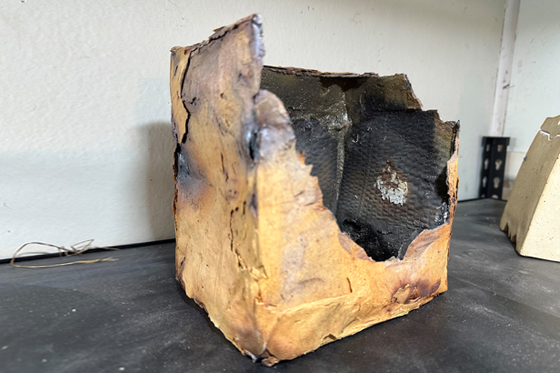
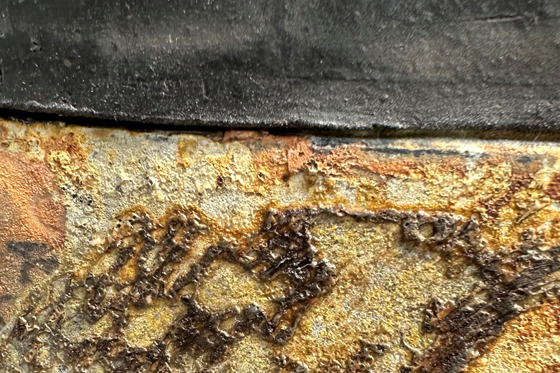
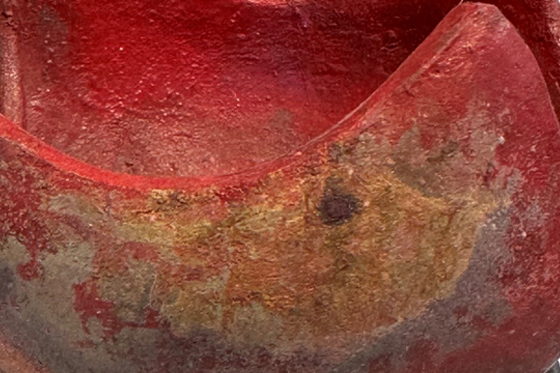
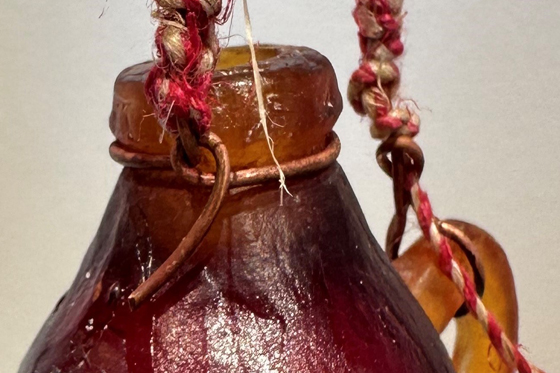
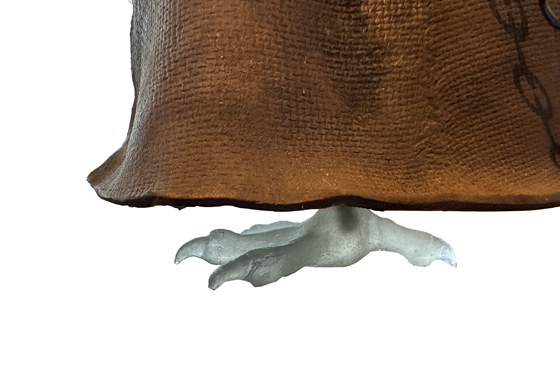
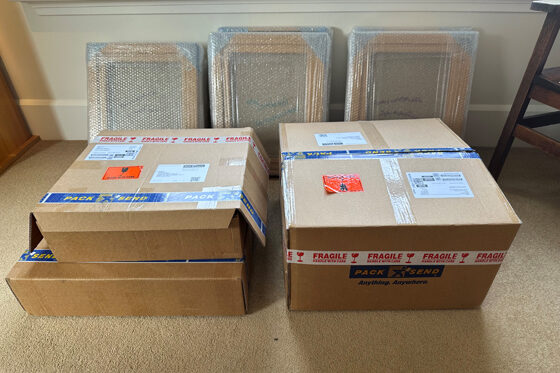
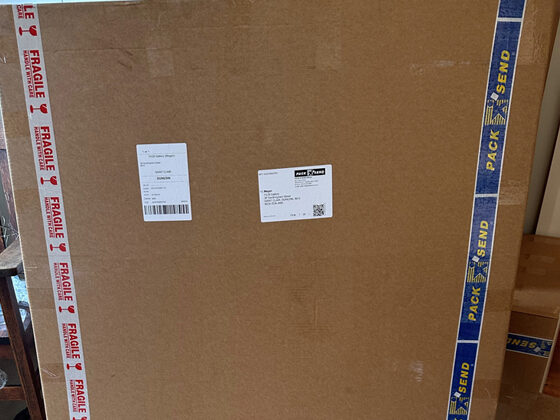
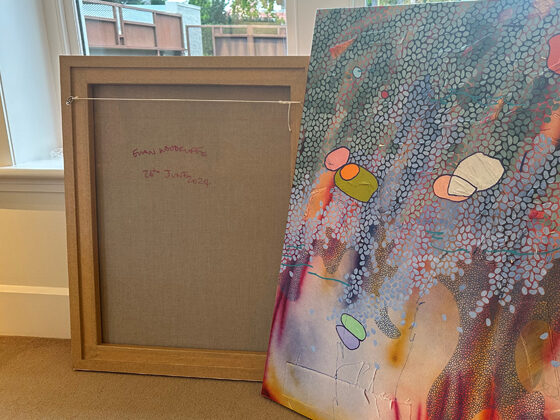
Evan prepares the first works to ship to Fe29 for his upcoming exhibition.
Final shipments have arrived – Just waiting on the artist!
Opening 10am Friday 20th September – Don’t miss the opportunity to meet the artists and see these fabulous new works.
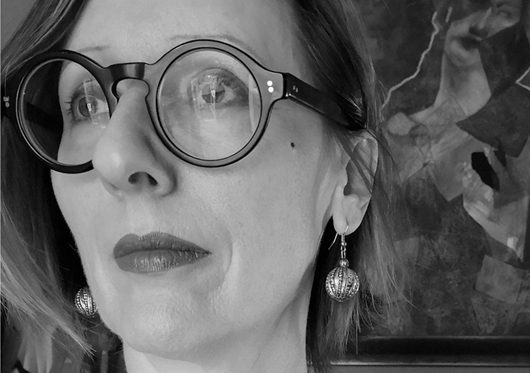
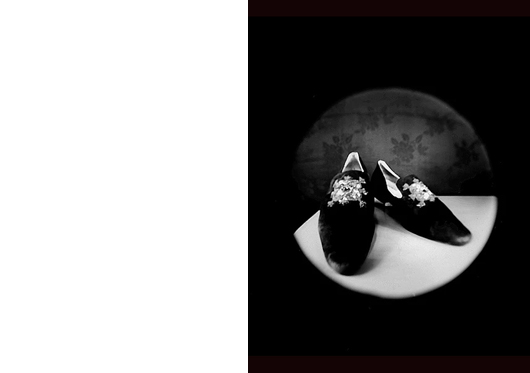
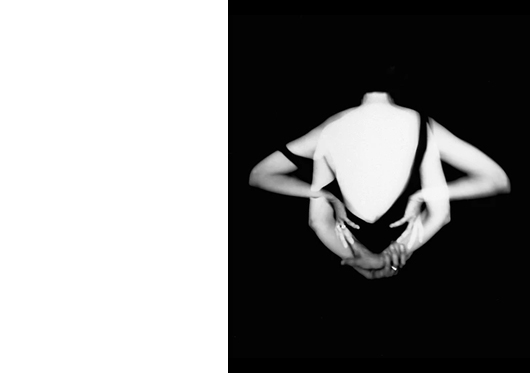
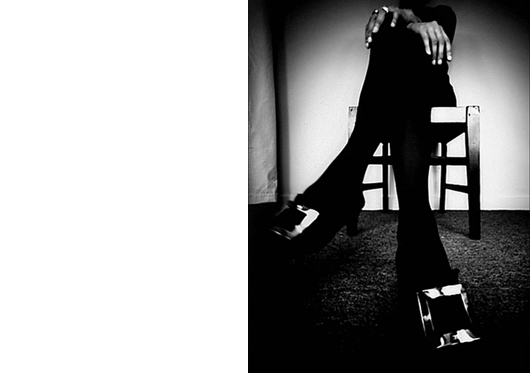
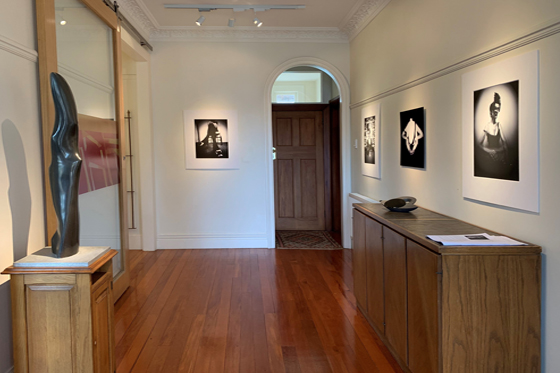
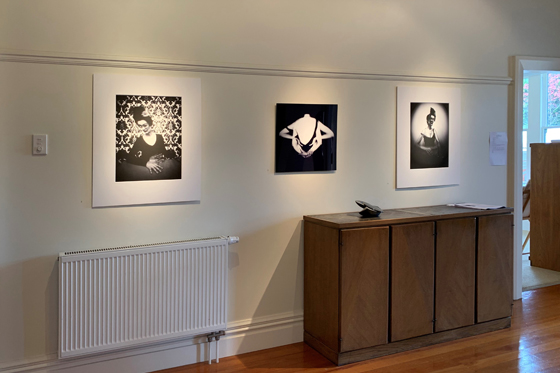
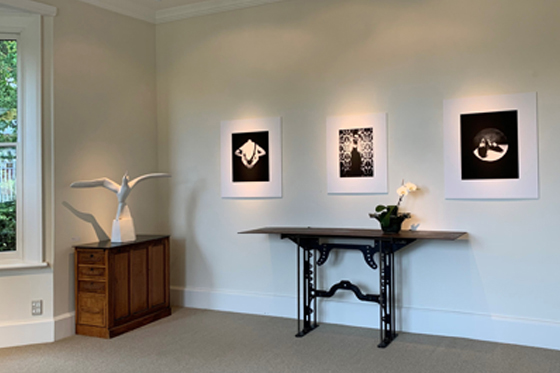
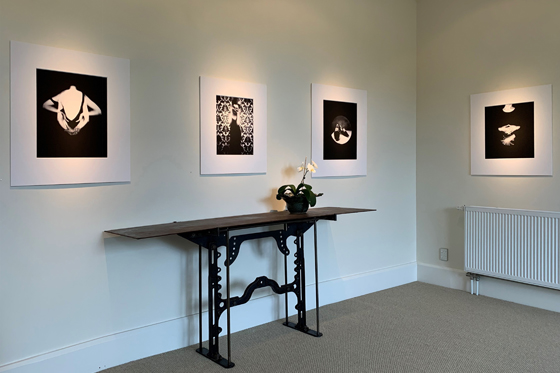
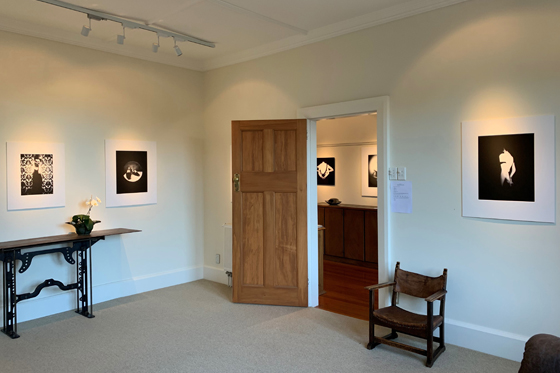
Viky Garden, born in Wellington, Aotearoa New Zealand, is best known as a painter. From the age of 15, she predominantly used herself as the model for her work. Through this singular practice, and over the course of three decades, she has explored the transitory nature of change and impermanence, themes that offer a framework to consider personal and universal aspects of the female experience.
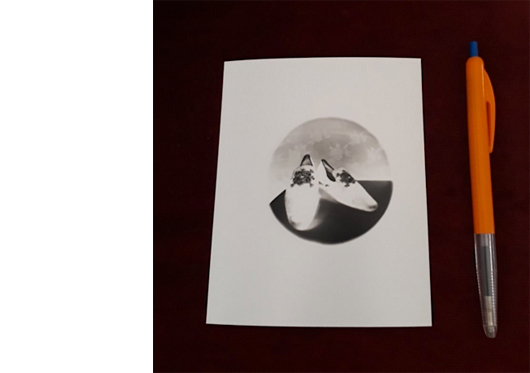
Last year, Viky entered two photographic images into the international Julia Margaret Cameron 12th annual Photographic Award in Barcelona, Spain. Out of over 6,000 entries from all over the world, both images won the Alternative Processes Award and will be exhibited alongside other category winners in Barcelona this May 2019.
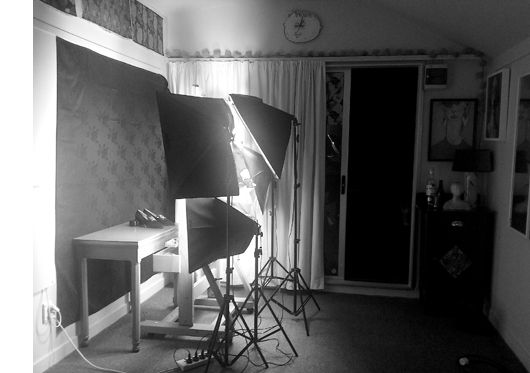
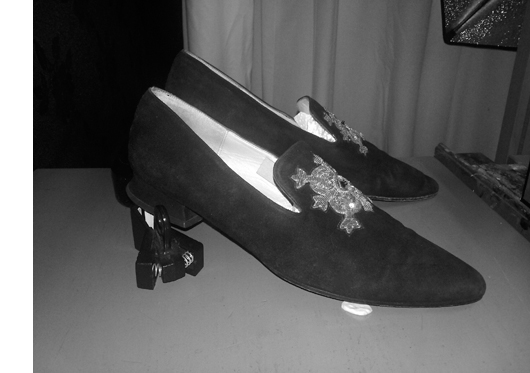
The two works came from a series of pinhole photographs, Casting Shadows, created by Viky in 2018, when her curiosity in pinhole photography became a reality after she moved from her studio off the lounge, where she had worked for over 20 years, to a larger backyard shed with a room attached that is now her dark room.
Recognising through social media that everyone is now a photographer, she remembers wondering how far back she could take photography for it to interest and have value to her.
“As a painter, I am very aware of how a painting can, when the going’s good, invent itself. It develops outside of anything I’m doing to encourage it – often in spite of what I’m trying to do and which I never quite achieve (hence the next painting). So it is with photography, I love the mysterious revealing or developing aspect and it’s this that feels lacking in the digital picture-taking process.
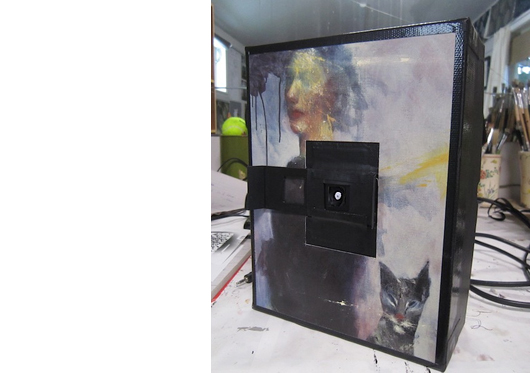
Pinhole photography is very much hands-on and really does create a kind of spirit. For me, it’s photography born of a cardboard box with no lens that I can look through to check the subject, only a pinhole to let light in onto a paper negative, where the exposure time is guesswork and frankly, anything can and does actually happen.
It can often take a day for me to do just a few shots because my guesswork can be wide off the mark and in winter, with no running water other than an outside hose and a large bucket, recognising and rinsing the failure shots to only go and repeat the process can feel rather dispiriting. At this point you’re thinking, why bother rinsing them? Well, they’re my lessons – I have to study those shots to learn what it is I’m trying to achieve – actually, what the camera is trying to achieve. If I trash them the way we delete displeasing digital images, I stand to learn nothing about the craft itself.
Because Casting Shadows are indoor poses, the exposures were up to 14 minutes long. This meant sitting as still as a statue, shallow breathing because even the rib cage moving created a blur. As I sat there, I had little idea what the camera was choosing to focus on but hoped serendipity graced herself and bestowed an exquisite result. Yes, it’s very much like a lottery. It’s about inviting chance into a process and respecting that very little will ever go to plan.
The resulting images have a recognisable idiosyncratic aesthetic. They are an analogue image as opposed to something digital. They are time and light crafted.”
Fe29’s exhibition CASTING SHADOWS was timed to coincide with the show in Barcelona. Limited edition prints from the series are available through the gallery.
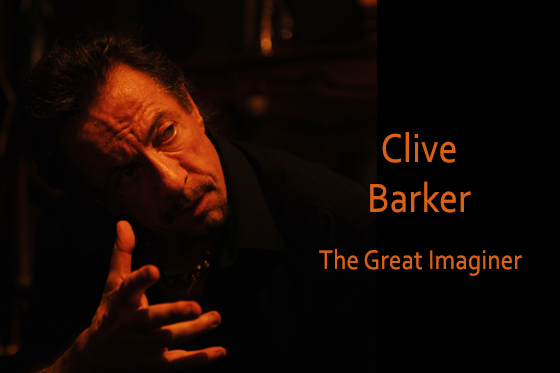
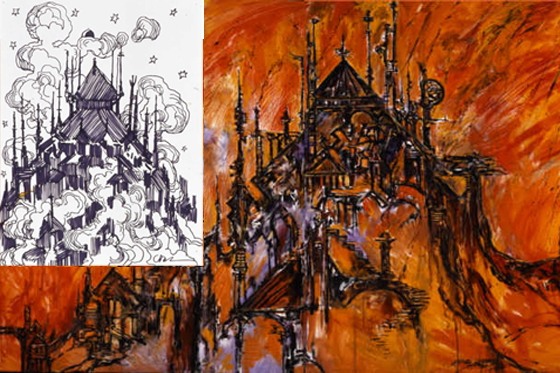
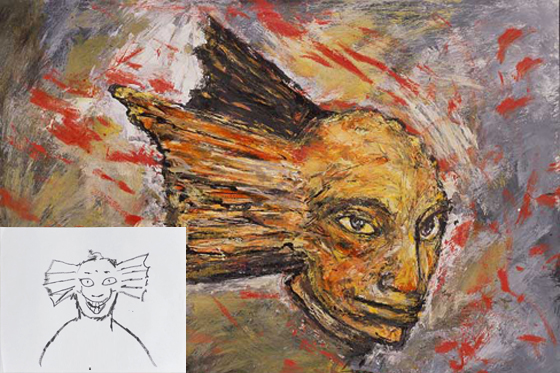
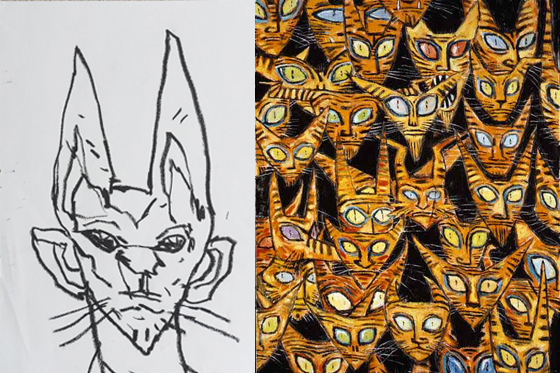
When Sam Henderson walked into Fe29 and asked whether we would like to exhibit works by Clive Barker, we had to admit that we didn’t know who he was. That was until she mentioned Candyman and Hellraiser movies. Having spiked our interest, Sam proceeded to show us some of Barker’s paintings from the web. These works were certainly not what we had previously shown at Fe29, but it was obvious to us that Barker was indeed a very talented artist.
We searched the web further and found that, not only was Barker a talented film maker and artist, but also a poet, novelist, director, screenwriter and dramatist. Apparently his early creative journey began in Liverpool, England – he ran the Dog Company performing plays and theatre productions. He then moved into writing, drawing and painting. He has been described as a polymath in the same manner as the artist, director, and poet, Jean Cocteau.
We found the following quote from film director Quentin Tarantino where he sums up Clive Barker’s work as an author:
‘To call Clive Barker a horror novelist would be like calling the Beatles a garage band. Always creating and always pushing into the farthest reaches of the human mind, he is an artist in every sense of the word. He is the great imaginer of our time. He knows not only our greatest fears, but also (what) delights us, what turns us on, and what is truly holy in the world. Haunting, bizarre, beautiful. These are the words we can use to describe Clive Barker only until we invent new, more fitting adjectives.’
Apparently Sam and her partner (also in films) knew Barker, and had been in his home/studio in Hollywood on numerous occasions, even getting the opportunity to watch him working. Sam told us of 30 something works that she wanted to sell from her private collection, and we agreed to take a look.
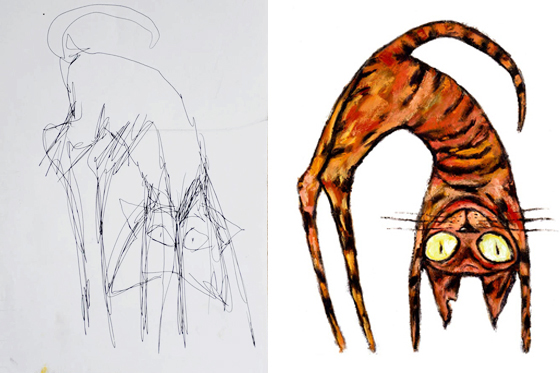
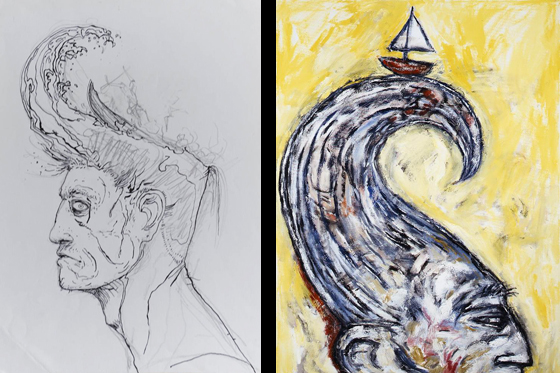
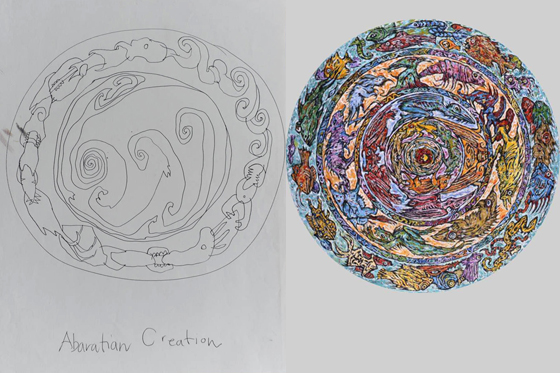
It turns out that many of the works form the inspiration for paintings that later evolved, as well as fantastic illustrations for his fantasy novels of Abarat and Weaveworld. The images in this blog show some of these drawings alongside the finalised paintings.
Sam shares briefly a little of what she learned about Barker during her visits to his studio.
‘I first met Clive Barker in Los Angles in 2004 at his Hollywood hills home. Although best known as a successful novelist and filmmaker, Clive Barker has been creating paintings and drawings for over twenty years, but the man I met also had drank cups of British tea by the litre and had a sweet tooth requiring Tunnocks tea cakes and Kendal Mint Cake. I spent much time in Clive’s huge triple height studio, access only gained by a winding multi levelled staircase. The room was full of stacks of paintings, leaning up against one another. The easel area was surrounded by tubes of paint, some squirted onto paper plates, others used directly onto the canvases. Clive painted in a very physical manner, with huge large pieces needing him to move across the canvas. In creating his deeply expressive paintings, Barker brings to life the landscapes and figures that inhabit his mind. His colours are bold, paint application thickly layered, and surfaces often scratched or sanded, his tools were what ever he found at hand, including steak knifes and forks from his lunch plate.’
While we showed these works at Fe29 in 2016, we had not long been open and many people had not heard of the gallery. We decided that this years Fringe exhibition would be a good opportunity to exhibit them again alongside the works of a couple of other interesting artists – Marion Beaupère – a young French artist currently living in NZ – (also exhibited in 2016, not long after we opened), and Peter Bradburn (an itinerant Kiwi artist and poet) new to the gallery.
Enjoy!